Paisley Pattern: A Designer's Holiday Review
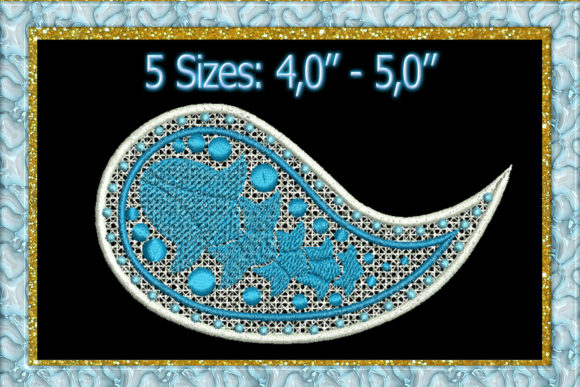
As an experienced embroidery designer, I am constantly scanning for digital assets that can transform a standard product into a cherished keepsake. When evaluating Paisley Pattern for my upcoming seasonal collection, I wasn't just looking for a pretty image; I was looking for a design with emotional resonance and commercial viability. This splendid paisley pattern is a free-standing lace embroidery that will elevate the look of any beautiful creation, but does it truly fit the chaotic energy of holiday selling? After testing its potential on various mediums, I have decided to add it to my next creative embroidery projects for a touch of elegance that feels both timeless and festive.
The Emotional Tone of Paisley Pattern
The first impression of Paisley Pattern is one of refined sophistication. Unlike the whimsical or overly cute designs often associated with children's holiday wear, this design carries a weight of premium quality. The intricate curves of the paisley motif evoke a sense of nostalgia, reminiscent of vintage linens passed down through generations. It strikes a perfect balance between rustic charm and modern luxury. For the Etsy seller or small business owner planning a limited-time product drop, this design offers a sophisticated alternative to the generic snowflakes and reindeer that clutter the market during December.
When visualizing this design in a real-world setting, the mood shifts from simple decoration to heirloom status. It feels romantic enough for Valentine's Day collections yet elegant enough for formal winter gatherings. The free-standing lace nature of the file suggests a delicate, airy feel that adds texture without overwhelming the garment. This makes it ideal for creating gift bundles where the unboxing experience is as important as the item itself. The design speaks to a customer who values craftsmanship and seeks personalized gifts that stand out from mass-produced department store items.
Real-World Applications for Seasonal Products
Integrating Paisley Pattern into a seasonal shop collection requires strategic thinking about where the design shines brightest. My review suggests several high-performing categories for holiday creators:
- Sweatshirt Embroidery: While often used for casual wear, a well-placed paisley design on a high-quality cotton sweatshirt creates a cozy, upscale aesthetic perfect for family matching items during the holidays.
- Tote Bag Design: The open structure of the lace works beautifully on canvas tote bags, making them perfect for carrying holiday gifts or as a standalone accessory for craft fair displays.
- Kitchen Towel Embroidery: This is perhaps the most versatile application. A paisley motif on a linen kitchen towel elevates home decor, turning a functional item into a centerpiece for holiday table settings.
- Pillow Covers: For home decor enthusiasts, adding this design to throw pillows creates a warm, inviting atmosphere that fits seamlessly into autumn and winter interiors.
- Embroidered Patch: The distinct shape of the paisley allows it to be cut out effectively, making it suitable for patches on denim jackets or backpacks, appealing to younger demographics looking for unique apparel.
- Baby Items: The gentle curves are safe and soothing for baby blankets or christening gowns, offering a classic look that grows with the child.
- Aprons and Table Linens: For bakers and hosts, this design adds a professional touch to aprons and napkins, signaling care and attention to detail.
These applications demonstrate how a single digital embroidery file can expand your inventory across multiple product lines, maximizing your return on investment for the holiday season.
Navigating Technical Challenges and Limitations
While the potential of Paisley Pattern is high, every machine embroidery design has specific constraints that must be respected to ensure customer satisfaction. As a designer reviewing this for commercial use, I must highlight areas where caution is required.
Small Hoop Sizes: Because this is a lace design, attempting to stitch it in a very small hoop may result in lost details or structural instability. The delicate threads need room to breathe. If you plan to offer small accessories like keychains or hair clips, verify that the minimum hoop size accommodates the full intricacy of the pattern.
Fabric Texture and Thickness: Thick towels or heavy fleece can sometimes distort the fine lines of a free-standing lace design. The stabilizer choice becomes critical here. You must use a sturdy cut-away stabilizer to support the weight of the thread and prevent puckering, especially on stretchy garments like hoodies or leggings.
Dark Fabric Considerations: Free-standing lace relies heavily on contrast. On dark fabrics, the visibility of the design can be compromised unless you use high-density stitching or metallic thread. However, even with metallic thread, the sheer nature of the lace might require a backing fabric to maintain its shape, which changes the final look of the finished product.
Wash Durability: For items like aprons or kitchen towels that undergo repeated washing, the stability of the stitches is paramount. Ensure that the stitch density is sufficient to hold up against friction and water exposure, or consider reinforcing the edges if the design is intended for heavy-duty use.
Boosting Sales and Brand Consistency
Incorporating Paisley Pattern into your holiday strategy does more than just add a design; it influences buyer emotion and perceived value. When customers see a cohesive, elegant design on your Etsy listings or social media previews, they perceive higher quality. This visual recognition builds trust in your brand, encouraging repeat purchases.
For the Etsy seller, using realistic mockups of the paisley design on various products—such as a pillow on a velvet sofa or a tote bag filled with wrapped gifts—can significantly increase engagement. These printable mockups help customers visualize the finished product, reducing hesitation and increasing conversion rates during the competitive holiday shopping period. The design acts as a silent salesperson, communicating luxury and thoughtfulness before the customer even reads the product description.
Furthermore, the versatility of the paisley motif allows for strong brand consistency. Whether you are selling digital embroidery files or finished goods, maintaining a palette of colors that complements the design ensures that your shop looks professional and curated. This consistency is vital for small shop products aiming to compete with larger retailers.
Practical Designer Notes for Success
Before adding Paisley Pattern to your production line, there are essential steps to take to avoid costly mistakes. First, always test thread colors on both light and dark fabric samples. The same shade of blue can appear drastically different depending on the background material. Second, check the stitch density carefully; too much thread can cause the lace to stiffen and lose its delicate drape, while too little can make it flimsy.
Confirm the recommended hoop size and ensure your machine is calibrated correctly. Using the proper stabilizer is non-negotiable for free-standing lace; it provides the foundation necessary for the design to hold its shape. Create realistic mockups to share with your audience on social media, allowing them to see the design in context. Review the small details after stitching to ensure no loose threads or gaps exist in the final product.
Finally, plan matching color palettes that align with current holiday trends, such as deep reds, forest greens, or neutral creams. Most importantly, confirm commercial licensing before selling finished seasonal products. Understanding the terms of the digital embroidery file license protects your business and ensures you are legally allowed to sell items made with Paisley Pattern.
By approaching this design with a strategic mindset, you can leverage the elegance of Paisley Pattern to create a standout holiday collection that resonates with buyers seeking meaningful, handmade gifts.