Happy Cat Embroidery Review for Craft Fairs
As an experienced embroidery designer who spends countless weekends prepping booths for local craft fairs, I know that the difference between a product that sits on the table and one that sells out by noon often comes down to the design itself. Today, I am reviewing the Happy Cat machine embroidery design with the specific goal of turning it into high-demand handmade products. My perspective is grounded in real-world production: how does this look under bright booth lights? Will it photograph well for online listings? And most importantly, will it resonate with the customers walking by?
The First Impression of Happy Cat
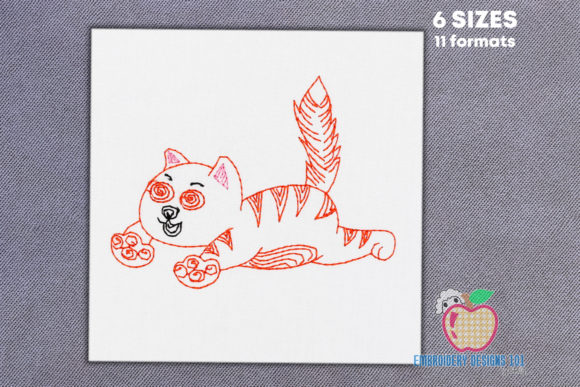
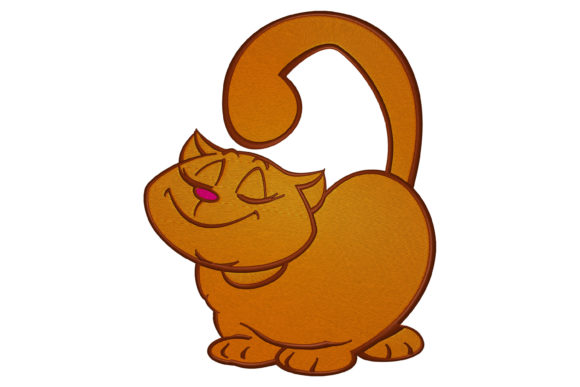
When you first encounter the Happy Cat design, the title suggests immediate warmth and approachability. Based on the description provided, this piece promises to be a cheerful accent rather than a heavy, ornate statement. For a craft fair setting, this is a winning trait. Customers are drawn to designs that feel friendly and inviting. The description highlights its versatility across t-shirts, sweatshirts, pajamas, and home decor, which signals that this is a flexible asset for any creative entrepreneur.
In my experience, designs that balance "cute" with "clean" tend to perform best. If Happy Cat leans too heavily into intricate detail, it risks getting lost on smaller items like patches or caps. However, if it maintains a bold silhouette with clear lines, it will stand out as a premium-looking finished product. The vibe feels soft, modern, and slightly rustic—perfect for the farmhouse aesthetic that remains popular in the handmade market. It strikes a chord with buyers looking for gifts that feel personal without being overly complex.
Where Happy Cat Shines on Products
Imagine setting up your display table with a mix of tote bags, aprons, tea towels, and small pouches. Where would Happy Cat fit best? Let's break down the performance of this embroidery file across key categories.
- Tote Bags: This is likely the star performer. A tote bag provides ample flat surface area, allowing the design to breathe. Whether placed centrally or off-center as a playful accent, the Happy Cat embroidery file adds immediate value to a basic canvas bag. It photographs beautifully for Etsy listings, creating a visual hook that stops the scroll.
- Aprons and Tea Towels: These kitchen staples are perfect for this design. The combination of Happy Cat on a linen tea towel or a denim apron creates a cozy, giftable item. Customers love functional decor, and seeing a happy feline motif on their kitchen linens evokes a sense of joy every time they cook.
- Embroidered Patches: If you plan to sell patches, Happy Cat needs to be evaluated for its density. Small patches require simplified stitching to maintain clarity. If the design has enough negative space, it will make an adorable accessory for jackets or hats, appealing to cat lovers who want subtle branding.
- Caps and Pillow Covers: For curved cap surfaces, the design must be scaled correctly to avoid distortion. On pillow covers, however, it can serve as a larger focal point. The soft texture of the fabric complements the "happy" theme, making it a strong candidate for home decor bundles.
Photography and Online Visibility
For digital sellers and Etsy shop owners, the ability to create a printable mockup is crucial. A design like Happy Cat should translate well into digital images. When you shoot photos of the finished product, the thread colors need to pop against the fabric texture. If the design is too dense, it may look muddy in a photo; if it is too sparse, it might look unfinished. Ideally, Happy Cat offers a balance that looks crisp in both close-up shots and wider booth displays.
Practical Production and Selling Points
From a business owner's standpoint, efficiency is everything. Can you produce Happy Cat in batches without losing quality? A design that is easy to understand at a glance reduces setup time and minimizes errors during long production runs. If the design works well as a small accent, you can create variety by placing it on different colored fabrics, increasing your SKU count without needing new files.
However, there are critical considerations regarding stitch density and fabric choice. Dense stitch areas can cause puckering on lightweight fabrics like thin cotton tees, while tiny details might get lost on textured materials like thick terrycloth towels. You must ensure that the stitch density is appropriate for the intended garment. If the design includes lettering, verify that the font size remains legible when embroidered on smaller items like pouches or caps.
Navigating Fabric Challenges
Different materials react differently to embroidery. Dark fabric requires careful selection of thread colors to ensure the Happy Cat design stands out. If the background is dark, light threads or a stabilizing underlay may be necessary to prevent the design from sinking into the fabric. Similarly, textured towels can hide fine details. Always test on scrap fabric that matches your final product material to gauge the true appearance of the embroidery design.
Essential Designer Notes for Success
Before you rush to print labels or list your items, follow these practical steps to ensure your commercial embroidery products meet professional standards.
- Test on Scrap Fabric: Never assume a design will work perfectly on the final material. Run a test on scraps to check for puckering, thread breaks, or color clashes.
- Check Thread Contrast: Ensure the thread colors chosen for Happy Cat provide enough contrast against the base fabric. Poor contrast kills the visual appeal of a design.
- Review Spacing and Hoop Size: Confirm that the hoop size accommodates the design without cutting off edges. Proper spacing ensures the design looks balanced on the final item.
- Inspect Stitch Density: High-density areas can damage delicate fabrics or cause the hoop marks to remain visible. Adjust the density settings if necessary.
- Use the Right Stabilizer: The stability of your project depends heavily on the correct stabilizer choice. Use tear-away for stable knits and cut-away for stretchy or heavy fabrics.
- Create Real Mockups: Don't rely solely on digital renders. Create at least one physical sample to use as a reference for photography and customer interaction.
- Compare Fabric Colors: Test the design on multiple fabric shades to see how the thread interacts with different hues before committing to a bulk order.
- Confirm Licensing: Verify your commercial licensing terms. Ensure you have the right to sell finished products made with this digital embroidery file.
Final Thoughts for the Booth
The Happy Cat design has the potential to be a standout piece in your craft fair product lineup. Its cheerful nature aligns perfectly with the emotional buying triggers of handmade shoppers. By focusing on high-quality execution, proper stabilizer usage, and strategic placement on versatile items like tote bags and aprons, you can maximize its selling power.
Remember, the success of your small shop product relies on the attention to detail you put into the finishing touches. Take the time to review the design assets, confirm your thread colors, and ensure the finished product reflects the high standards of your brand. With careful preparation, Happy Cat can become a beloved favorite among your customers, driving engagement and sales at your next market event.