Eyeglass Case Letter L: A Designer's Review for Craft Fairs
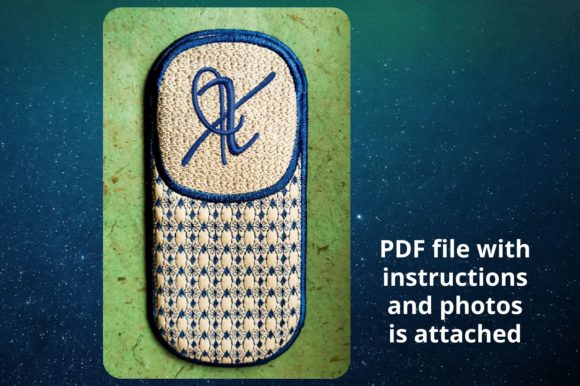
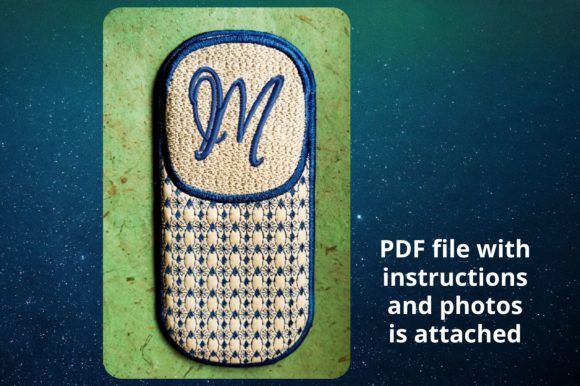
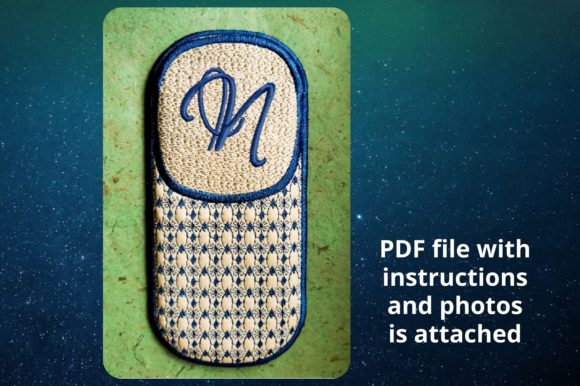
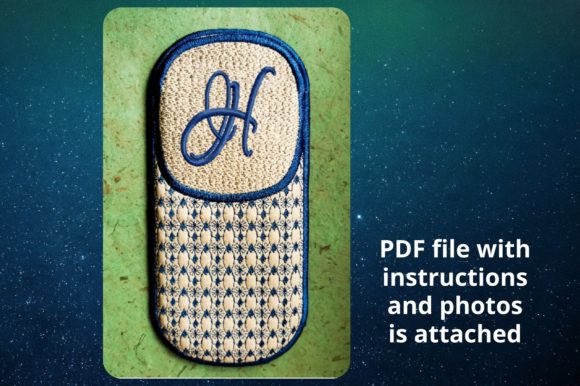
I have spent years in the embroidery industry, designing and digitizing files for everything from high-end corporate uniforms to whimsical children's wear. When I first encountered the Eyeglass Case Letter L, my immediate reaction was one of curiosity mixed with a keen eye for market potential. As an experienced designer preparing for a weekend craft fair, I do not just look at a design; I evaluate its viability as a craft fair product. This piece is described as an unusual case created with the in the hoop technique, which immediately signals to me that it offers a unique selling proposition compared to standard embroidered patches or flat designs.
The description highlights that this machine embroidery design is fun, cool, and practical. For a handmade shop owner or Etsy seller, these are the exact keywords that drive sales. My goal today is to walk through how I would present the Eyeglass Case Letter L on a booth table alongside tote bags, aprons, and tea towels, and to provide a professional assessment of its production value and visual appeal.
First Impressions: The Vibe of Eyeglass Case Letter L
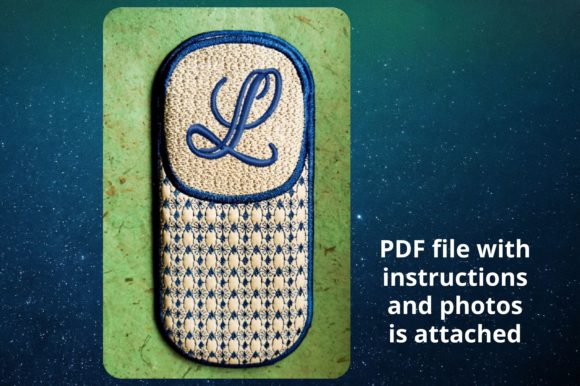
When I read the title Eyeglass Case Letter L and review the accompanying description, the aesthetic feels distinctly modern yet personal. It strikes a balance between functional and decorative. Unlike generic monograms that can feel stiff, the emphasis on the "Letter L" suggests a personalized touch that resonates deeply with buyers looking for custom gifts. The mention of the "in the hoop technique" adds a layer of sophistication; it implies a structured, finished product rather than a simple appliqué.
In the context of a craft fair display, this design stands out because it solves a problem while offering style. Glasses cases are often lost, broken, or ugly. A well-executed embroidery file that turns a mundane item into something adorable or chic is a winner. The mood is playful but practical, making it suitable for a wide range of demographics, from teenagers who love stationery to adults who appreciate organized accessories. It feels premium enough to command a higher price point, which is crucial for any small shop product.
Strategic Placement on the Booth Table
Imagine setting up your booth. You have rows of tote bag designs hanging, perhaps some apron embroidery samples, and stacks of folded tea towel embroidery items. Where does the Eyeglass Case Letter L fit? It belongs front and center, likely displayed on a small stand or nestled among other gift-ready items like pillow covers and fabric pouches.
This item has the power to draw attention because it is compact. Large items like tote bags require space, but a glasses case is a "grab-and-go" impulse buy. Customers browsing for a quick gift will stop when they see the letter "L" clearly defined. It acts as a perfect companion to larger pieces. If a customer buys a matching set—a tote bag and a glasses case—they are more likely to make a second purchase. The design creates a cohesive brand look across different commercial embroidery products.
Furthermore, the versatility of this design allows it to shine in various contexts. While the primary use is an eyeglass case, the same digitized assets could be adapted for small pouches or even used as a focal point on a cap if the hoop size permits. However, the true strength lies in its identity as a specialized accessory. It transforms a basic utility item into a statement piece of handmade product artistry.
Visual Appeal and Photography Potential
For an Etsy seller or digital creator, photography is everything. The Eyeglass Case Letter L is highly photogenic. The structured nature of an in-the-hoop project means the stitching sits flat and crisp, which translates beautifully to online listings. When creating a printable mockup or photographing the finished product for social media, the contrast between the thread colors and the fabric texture will be key.
The design works well as a small accent or a large focal design depending on the scale of the lettering. If the "L" is bold, it serves as the hero of the image. If it is subtle, it adds a nice detail to a collection. Because it is an accessory, it pairs effortlessly with lifestyle shots—perhaps resting on a wooden desk next to reading glasses or sitting in a handbag. This versatility makes it a strong candidate for design assets that can be repurposed across multiple marketing channels.
Production Realities and Selling Points
From a production standpoint, the in the hoop technique is a double-edged sword that requires careful management. On one hand, it guarantees a consistent, professional finish every time you run the machine. On the other, it requires precise setup. The ease of understanding the design at a glance is high, but the execution demands skill. For batch production, this design is repeatable, provided you have the right workflow.
However, there are specific considerations for the stitch density and thread colors. Dense stitch areas can sometimes cause puckering if the stabilizer is not adequate. Tiny details, especially within the curves of the letter "L," may lose clarity if the thread count is too low or if the fabric texture is too rough. When selecting fabrics, avoid overly textured towels or thick materials that might obscure the definition of the letter. Dark fabrics require a high-quality underlay to prevent the base color from bleeding through the stitches.
The hoop size is another critical factor. Since this is an in-the-hoop project, the dimensions are fixed by the design file. You must ensure your embroidery machine can accommodate the required area without compromising the tension. If you plan to sell these commercially, you need to confirm the commercial licensing terms of the original file before mass-producing. There is no room for error here; a single misaligned hoop can ruin a batch of inventory.
Essential Designer Notes for Success
Before turning the Eyeglass Case Letter L into a revenue-generating item, I always advise following a strict testing protocol. First, test the design on scrap fabric to check the stitch density and spacing. This step is non-negotiable. Next, review the thread colors against your chosen fabric to ensure maximum contrast and visibility. A design that looks good on a screen may fail in person if the threads blend too much with the material.
Confirm the stabilizer type needed for the specific fabric weight. Heavy-duty cut-away stabilizers are often required for structured projects like glasses cases to maintain their shape over time. Create at least one real mockup to inspect the final result. Compare different fabric colors to see which ones make the "L" pop the most. Finally, verify the digital embroidery file format compatibility with your machine software.
Conclusion: A Strong Addition to Your Catalog
The Eyeglass Case Letter L is more than just a novelty item; it is a strategic addition to any accessories line. Its combination of functionality, personalization, and the technical appeal of the in-the-hoop method makes it a standout piece for craft fairs and online boutiques. It appeals to the buyer's desire for unique, handmade goods that add a touch of elegance to everyday life.
By carefully managing the production variables—such as fabric choice, stabilizer usage, and thread selection—you can create a handmade product that not only sells well but also enhances your brand's reputation for quality. Whether you are a seasoned embroidery business owner or a creative entrepreneur just starting out, this design offers a solid foundation for building a profitable line of embroidered patch-style accessories and beyond. With the right preparation, the Eyeglass Case Letter L can become a bestseller that keeps customers coming back for more personalized gifts.