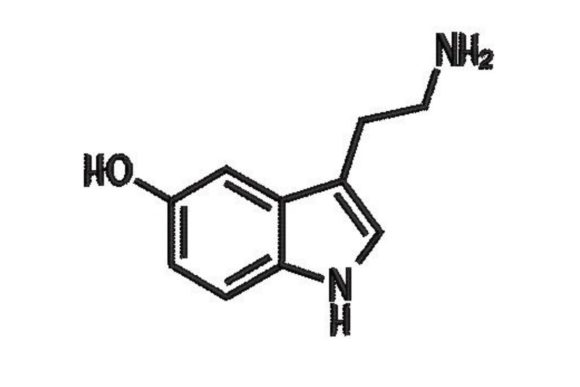
Dopamine Chemistry Symbol: A Designer's Real-World Review
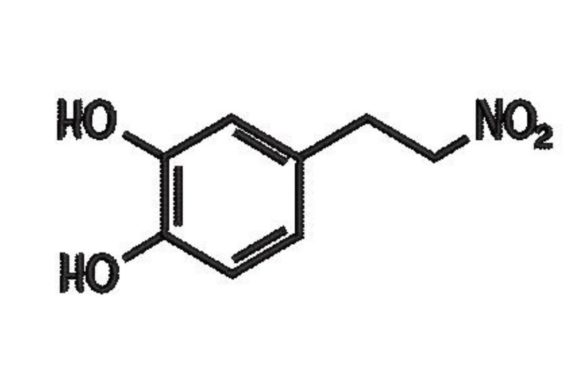
As someone who has spent years stitching designs onto everything from delicate baby onesies to heavy-duty work aprons, I have learned that a good embroidery file is more than just a digital image; it is a promise of execution. When Dopamine Chemistry Symbol landed in my review queue, I didn't just look at the vector preview. I immediately started thinking about how those lines would behave under a needle, how the thread colors would interact with different fabric textures, and whether this design could truly stand out on a crowded Etsy shelf or a boutique display.
The concept is undeniably trendy. We live in an era where wellness is not just a buzzword but a lifestyle, and people love wearing their values on their sleeves—or in this case, stitched into their favorite hoodies. The design captures the essence of mood and motivation through a visual representation of a brain chemical. But does it translate well from screen to fabric? Here is my practical breakdown of using Dopamine Chemistry Symbol for real projects.
First Impressions: Mood, Layout, and Visual Personality
The moment you open the embroidery file, the layout strikes me as clean and modern. There is no cluttered noise; the focus is entirely on the central motif. For a designer, this is crucial because it means the design will hold its integrity even when scaled down slightly for smaller items like cap brims or baby clothes. The visual personality feels optimistic yet grounded, perfectly aligning with the Wellness category it belongs to.
Unlike many trendy designs that rely heavily on complex gradients or tiny text that often gets lost in the stitching, Dopamine Chemistry Symbol relies on strong shapes. This suggests a high likelihood of success with satin stitch for the outlines and fill stitches for the interior details. It creates a sense of movement without being chaotic. When I imagine this stitched in a vibrant teal or a soft lavender against a cream background, it immediately evokes a feeling of calm energy. It is the kind of design that makes a customer stop scrolling and think, "I need this."
Real-Life Application: From Tote Bags to Boutique Merch
To truly understand the potential of this design, let us walk through a hypothetical project. Imagine you are preparing a custom embroidered tote bag for a local craft fair or creating a line of personalized gifts for a small shop. You select a sturdy canvas tote in a neutral beige color. Placing Dopamine Chemistry Symbol on the front pocket offers immediate appeal.
The design works exceptionally well here because the size allows for detail without overwhelming the bag. However, consider the context of the user. If this is a weekend hobbyist looking for inspiration, the message resonates deeply. They are not just carrying a bag; they are carrying a reminder to find joy in their creative pursuits. In a commercial setting, this design elevates a standard product into a statement piece. It transforms a simple canvas tote into a branded asset for a creative entrepreneur.
I also see significant potential for sweatshirt embroidery. A cropped hoodie featuring this symbol in white thread on black fabric would look sharp and contemporary. The contrast between the dark garment and the bright, uplifting theme creates a striking visual impact. Furthermore, for those selling digital product previews, this design serves as an excellent mockup element. It is versatile enough to be adapted for pillow covers, kitchen towels, or even as a decorative accent on a patch for denim jackets.
Navigating Technical Challenges: Where Caution is Key
While the aesthetic is promising, every experienced embroiderer knows that beauty on a screen does not always guarantee perfection on fabric. There are specific scenarios where Dopamine Chemistry Symbol requires careful consideration before you hit the start button on your machine.
- Hoop Size and Detail: If you attempt to use this design on a very small hoop, such as one intended for a hat cuff or a tiny baby bib, pay close attention to the fine details. Tiny running stitches can sometimes merge if the spacing is too tight. Always test the design on scrap fabric first to ensure the smallest elements remain distinct.
- Fabric Texture and Stability: Stretchy fabrics like jersey or thin knits can distort the design if not stabilized correctly. The density of the stitches in the fill areas might cause puckering if the stabilizer is insufficient. For these materials, a cut-away stabilizer is often necessary to maintain the crisp edges of the symbol.
- Thread Color Contrast: On dark fabrics, the visibility of the design depends entirely on your thread choice. If the design includes thin lines, ensure the thread color provides enough contrast against the background. A light gray thread on a navy shirt might disappear once stitched, whereas a bright yellow or white would pop beautifully.
- Wash Durability: For items that require frequent washing, like aprons or tea towels, check the stitch density. High-density fill stitches can sometimes trap lint or wear down faster on rough fabrics. Ensure the design is balanced so that the tension remains consistent over time.
Impact on Brand Consistency and Customer Trust
In the world of handmade products and Etsy seller listings, presentation is everything. A poorly executed design can undermine the perceived value of a product, no matter how unique the concept. Dopamine Chemistry Symbol, when stitched correctly, signals professionalism. It shows that the maker cares about the quality of the finish and understands the nuances of the medium.
For a boutique owner, this design adds a layer of emotional connection. Customers are increasingly drawn to products that tell a story or reflect a personal philosophy. By offering a finished product featuring this symbol, you are not just selling an embroidered item; you are selling a mood booster. This enhances buyer engagement and fosters brand loyalty. When a customer receives a personalized gift with this design, they are likely to share it on social media, providing free marketing for your craft business.
Practical Notes for the Design Professional
Before you commit to a full production run, there are several technical steps you must take to ensure success. First, verify the file formats included in your download. Are they compatible with your specific embroidery machine software? If you are working on a commercial scale, confirm the licensing terms explicitly. Some files allow for personal use only, while others permit the sale of finished goods. Never assume; always read the fine print regarding commercial embroidery rights.
Conduct a thorough test run. Use a piece of the actual fabric you intend to sell and apply the same stabilizer and thread colors you plan to use for the final product. Check the stitch density visually and by touch. Does the surface feel too stiff? Are there loose threads that need trimming? Inspect the corners and curves of the symbol to ensure they are smooth and not jagged.
Additionally, create both color and black-and-white mockups to see how the design translates across different lighting conditions. Sometimes a design looks great in full color but loses its definition when viewed in monochrome. Comparing light and dark fabric backgrounds during this phase will help you choose the best thread palette for maximum impact.
Finally, remember that the goal is to create a finished product that brings pride to the wearer. Whether it is a custom apparel item for a client or a special holiday gift, the quality of the stitching reflects directly on your reputation. Dopamine Chemistry Symbol offers a fantastic opportunity to blend art with utility, provided you approach it with the care and precision that professional embroidery demands.
By treating this design as a serious design asset rather than a quick fix, you can unlock its full potential. It is a tool that, when used wisely, can elevate your portfolio, satisfy your customers, and perhaps even provide a little extra dopamine for your own creative journey.