Cute Farm Tractor Review for Small Business
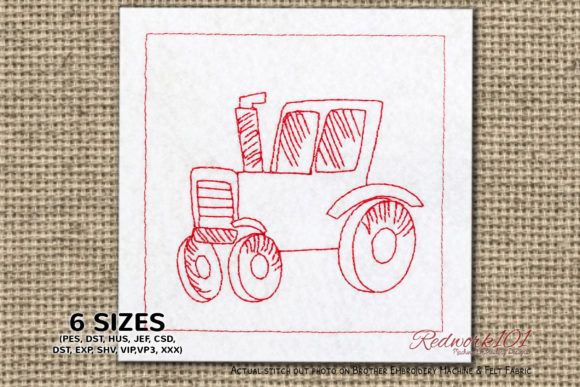
As an experienced embroidery designer who has reviewed thousands of digital files for commercial use, I approach every new design with a critical eye toward production viability and brand impact. Today, I am reviewing the Cute Farm Tractor, a machine embroidery design categorized under Transportation. This piece is described as a high-quality redwork embroidery that promises to stitch out perfectly on farmhouse decor and kitchen items. While the description highlights its decorative appeal, my review focuses entirely on how this design functions within a professional small business context, specifically for branded patches, custom apparel, and product labels.
First Impressions: Visual Personality and Brand Fit
The moment you view the Cute Farm Tractor, the aesthetic is immediately clear. It leans heavily into a rustic, playful, and friendly vibe. The term "redwork" suggests a traditional outline style, which often translates to a clean, timeless look that works well for brands wanting to project authenticity and a handmade feel. For a bakery, florist, or local café, this design offers a warm, inviting personality that can soften a corporate image and make the brand feel more accessible.
However, for businesses seeking a sleek, modern, or ultra-minimalist identity, this design might feel too whimsical. The charm lies in its simplicity, making it an excellent choice for artisanal products where the story of craftsmanship is just as important as the product itself. When considering this for your brand identity, ask yourself if the tractor aligns with your core values. Does it suggest reliability and hard work, or does it simply add a touch of farm-to-table nostalgia? If the latter, it is a powerful tool for customer engagement.
Real-World Application: From Patches to Aprons
In my experience evaluating designs for small business merch, versatility is key. The Cute Farm Tractor shows significant potential across various merchandise categories. As an embroidered patch, it could serve as a standout logo accent on denim jackets, tote bags, or even backpacks for event staff. The optional box stitch mentioned in the description adds a layer of customization; utilizing this feature could create a textured border that enhances durability and gives the patch a more premium, finished appearance.
For service-oriented businesses like cafes or bakeries, this design is ideal for apron embroidery. Placing the tractor on the chest or back of a uniform creates a cohesive visual language that customers appreciate. It transforms a standard work shirt into a branded asset. Similarly, cap embroidery benefits from the compact nature of redwork designs. A small tractor stitched on the front panel of a baseball cap can become a signature element of your team's look without overwhelming the wearer.
The design also shines as a subtle detail on product packaging. Imagine a small embroidered tractor tag attached to a jar of homemade jam, a bag of coffee beans, or a floral arrangement. This level of detail elevates the perceived value of the finished product and encourages social sharing, as customers love photographing unique branding elements. For Etsy sellers and craft business assets, this file serves as a versatile digital asset that can be applied to a wide range of physical goods, from pet bandanas to tote bag designs.
Strategic Considerations and Potential Pitfalls
While the Cute Farm Tractor is charming, no design is universally perfect. There are specific scenarios where this file requires careful evaluation before production begins. One major consideration is size. Redwork designs rely on clean lines, but when scaled down too small, such as on a tiny patch or a very small cap logo, the details may blur or merge. You must test the design at your intended final size to ensure the outlines remain distinct.
Fabric texture plays a crucial role in the final outcome. On highly textured fabrics like heavy canvas or boucle wool, the fine lines of the tractor might get lost. Conversely, on smooth cotton or twill, the design should pop beautifully. Dark uniforms present another challenge. Since redwork typically relies on thread color contrast against the fabric, applying this design to dark garments will require a significant underlay or a background fill to prevent the stitches from disappearing into the material. Always check the thread colors provided in the file to ensure they offer sufficient contrast for your specific application.
Stitch density is another factor to monitor. If the design is too dense, it may cause puckering on lightweight fabrics or make the item stiff and uncomfortable. Frequent washing items, such as work shirts or aprons, need durable stitching. Ensure the design has adequate satin borders or tie-ins to withstand the rigors of industrial laundering. If the design lacks these structural elements, it may degrade quickly, negatively affecting the professionalism of your brand.
Professional Designer Notes for Production
Before committing to a full production run, I strongly advise following a rigorous testing protocol. First, digitize the file and test it in black and white to see how the shapes hold up without the distraction of color. This helps identify any weak points in the stitch path. Next, inspect the spacing between elements. In a small business environment, consistency is vital; a crooked tractor looks unprofessional.
Confirm the hoop size requirements early in the process. Some designs require large hoops that limit placement options on certain garments. Use proper stabilizer to support the fabric during stitching, especially for stretchy materials like jersey or fleece. Creating a printable mockup for client approval is also essential. Show your clients how the Cute Farm Tractor looks on their specific products before you cut any fabric. This step prevents costly errors and ensures the final product meets their expectations.
Finally, compare this design beside other design assets you own. Does it match the quality and style of your existing library? If you are using this for commercial embroidery projects, verify the commercial licensing terms. Owning the file does not always grant the right to sell finished goods. Ensure you have the necessary permissions to use this design on merchandise for sale.
Conclusion: A Valuable Asset for the Right Brand
The Cute Farm Tractor is a well-crafted machine embroidery design that brings a sense of warmth and character to any project. For small business owners looking to enhance their brand identity with a touch of rustic charm, this design offers a strong foundation. Whether used as a custom apparel logo, a branded patch, or a detail on a tote bag, it has the potential to increase customer trust and recognition through consistent, high-quality presentation.
By carefully considering fabric choices, sizing, and production techniques, you can transform this digital embroidery file into a tangible asset that drives sales and builds loyalty. Remember to test thoroughly, respect the limitations of the medium, and prioritize the professional finish that your customers expect. With the right execution, the Cute Farm Tractor can become a beloved symbol of your handmade product line.