Zentangle Patterned Wolf Head Review
I have spent years reviewing machine embroidery designs, testing them on everything from delicate baby onesies to heavy-duty canvas tote bags. When I first encountered the Zentangle Patterned Wolf Head, I wasn't just looking at a file; I was visualizing it as a finished product on a shelf in a boutique or hanging on a customer's wall. As an experienced designer, my goal is to move beyond the hype and tell you exactly how this design performs when the needle hits the fabric. This isn't a basic description; it is a practical assessment for anyone considering adding this piece to their embroidery project lineup.
The First Impression: Mood and Visual Personality
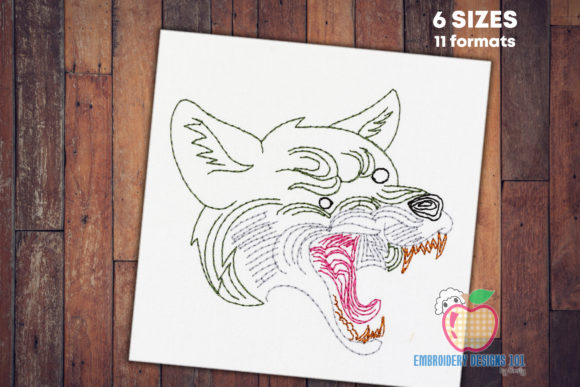
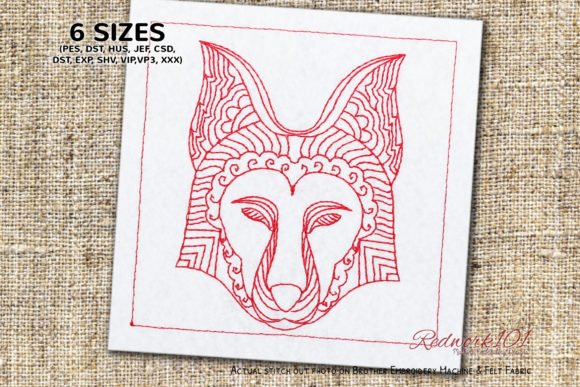
The moment you load the embroidery file, the Zentangle Patterned Wolf Head commands attention. It belongs firmly in the Wild Animals category, but it transcends simple animal portraits through its intricate internal detailing. The Zentangle style creates a unique texture that feels both organic and geometric. Unlike standard fill stitches that can look flat, this design invites the eye to wander across the wolf's face, creating a sense of depth even in a single-color application.
The mood is bold yet sophisticated. It avoids the cartoonish look often found in mass-produced digital assets. Instead, it feels like a hand-drawn sketch brought to life by thread. For a small business owner or Etsy seller, this distinction is crucial. It elevates the perceived value of your handmade product. Whether you are stitching this onto a dark denim jacket or a crisp white tea towel, the design offers a professional finish that suggests care and intentionality. The redwork aesthetic mentioned in the product details promises a clean, modern look that relies on stitch density rather than color variety to create impact.
Real-World Application: From Concept to Finished Product
To truly understand the utility of this design, let's imagine a real scenario. You are preparing a collection of custom gifts for the upcoming holiday season. You decide to create a line of personalized aprons for a local bakery client. The client wants something rustic but artistic. You select the Zentangle Patterned Wolf Head to be placed prominently on the chest area of the apron.
As you prepare the hoop, you consider the layout. The design has a strong central focal point, which works beautifully on the rectangular space of an apron front. However, you also think about the optional box stitch mentioned in the description. If you include the outer box, the design becomes more contained, acting almost like a framed print on fabric. If you omit it, the wolf stands alone, offering a more contemporary, free-flowing feel. In my experience with commercial embroidery, the version without the box often looks better on softer fabrics like cotton blends, while the boxed version adds structure to stiffer materials like canvas.
Another potential use case is a sweatshirt for a craft fair booth. The Zentangle Patterned Wolf Head would serve as a perfect logo for a brand focused on nature or outdoor hobbies. The intricate lines catch the light differently depending on the thread color, giving the garment a dynamic appearance. Customers browsing the market would likely stop to examine the detail, asking questions about the craftsmanship. That engagement is what turns a casual browser into a buyer. The design's complexity signals quality, making customers willing to pay a premium for the finished product.
Performance Across Different Fabrics and Products
This design shines on stable, medium-weight fabrics. It is ideal for tote bag designs made from heavy canvas or duck cloth, where the structure supports the detailed stitching without puckering. Similarly, it works exceptionally well on pillow covers and kitchen towels, where the design can be centered and displayed fully. The running stitch elements within the Zentangle pattern add a lovely texture that mimics the fur of the wolf without requiring excessive thread usage.
However, there are limitations you must respect. If you plan to use this for baby embroidery, such as on a onesie or a bib, you need to be cautious. While the design is beautiful, the density might be too stiff for sensitive baby skin if not stabilized correctly. Always test on scrap fabric first to ensure the back of the work is smooth and comfortable. Furthermore, if you are attempting to stitch this on a curved surface like a baseball cap, the large scale of the wolf head might distort around the curve unless you have a specialized hat hoop and significant experience with stitch density adjustments.
For embroidered patches, this design is a strong contender. The clear outlines and defined shapes translate well to patch backing. Yet, if you intend to sell these as commercial items, remember that the Zentangle pattern relies on fine lines. On very thin fabrics, these lines might bleed together or become indistinct. The key is matching the fabric weight to the design's resolution. A thick fleece will hold the detail perfectly, while a sheer linen might struggle to support the density required for the inner patterns.
Strategic Considerations for Designers and Sellers
Before you commit to using the Zentangle Patterned Wolf Head in your next batch of custom apparel, there are several technical factors to review. Thread color contrast is paramount. Since this is a redwork-style design, the choice of thread against the fabric background dictates the final look. On a black shirt, a white thread will make the Zentangle lines pop with high contrast, whereas a grey thread might get lost. I recommend testing your thread colors in natural light before committing to a full production run.
Stabilizer selection is equally critical. Because of the intricate fill areas, you need a stabilizer that provides enough rigidity to prevent the fabric from shifting during the satin stitch and fill processes. A cut-away stabilizer is often the safest bet for items that will undergo frequent washing, such as holiday embroidery gifts or daily wear apparel. If you are working with stretchy knits, a tear-away might not provide enough support, leading to distortion over time.
When creating printable mockups or digital previews for your shop, do not rely solely on the screen representation. Stitch density can alter the visual weight of a design. What looks balanced on a monitor might appear crowded once stitched. Take the time to inspect the small details in your digitized file. Ensure that the corners of the Zentangle patterns are sharp and that no tiny sections are missing. These minute details are what separate a hobbyist project from a professional small shop product.
Licensing is another area that requires due diligence. If you plan to sell finished items featuring this design, confirm the terms regarding commercial use. Some digital embroidery files allow for unlimited sales of physical goods, while others restrict the number of units or require a specific license tier. Never assume the rights; always check the documentation provided with the Zentangle Patterned Wolf Head download. Ignoring this step can lead to legal issues down the road.
Final Verdict on Practical Value
The Zentangle Patterned Wolf Head is a versatile asset for any creative entrepreneur. It bridges the gap between traditional folk art aesthetics and modern graphic design. Its ability to convey personality through texture makes it a standout choice for brands looking to establish a unique identity. Whether you are decorating a nursery wall with a pillow cover or launching a new line of craft business merchandise, this design offers a level of sophistication that resonates with buyers.
By understanding its strengths on stable fabrics and respecting its limitations on stretchy or thin materials, you can maximize its potential. Test rigorously, choose your stabilizers wisely, and present your work with confidence. When executed correctly, this design does more than just fill a hoop; it tells a story of craftsmanship and creativity that your customers will appreciate long after the stitching is complete.