Japanese Sakura Tree Embroidery Review
As an experienced embroidery designer who has spent years curating collections for boutique apparel and small clothing brands, I am always on the lookout for designs that strike the perfect balance between artistic flair and commercial viability. When browsing Creative Fabrica embroidery options for a new seasonal collection, I recently came across the Japanese Sakura Tree. This design immediately caught my eye as a potential centerpiece for a line of custom apparel aimed at Etsy sellers and creative entrepreneurs. In this review, I will share my professional perspective on how this machine embroidery design fits into real-world projects, from cozy hoodies to high-end tote bags.
First Impressions: Visual Mood and Design Personality
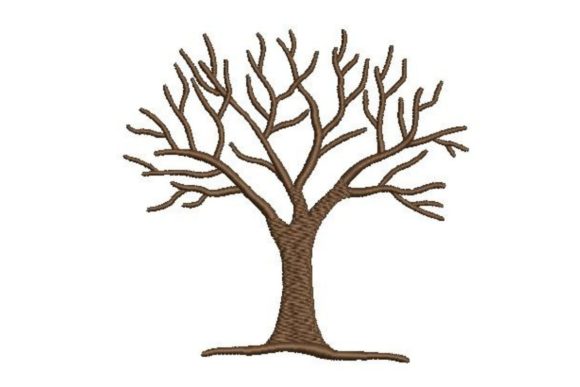
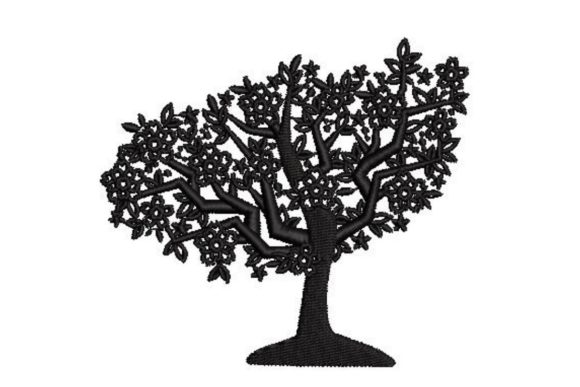
The moment you preview the Japanese Sakura Tree, the visual personality is distinct. It exudes a sense of calm elegance mixed with a touch of playful femininity. Unlike many generic floral patterns that can feel dated or overly busy, this nature-themed embroidery project feels fresh and modern. The aesthetic leans towards a classic yet trendy vibe, making it versatile enough for both rustic, bohemian styles and sleek, minimalist boutique branding.
The stitching mood is undeniably premium. For a designer planning a product collection, the decorative strength of the tree is crucial. It offers enough detail to look expensive and handcrafted but remains simple enough to stitch cleanly on various fabric textures. Whether you are aiming for a cute, soft look for a pastel hoodie or a bold statement piece for a denim jacket, the Japanese Sakura Tree possesses the versatility to adapt to different brand identities. It feels like a design that elevates a basic garment into a finished product that customers trust and desire.
Ideas for Boutique Apparel and Sweatshirt Collections
Imagine preparing a small sweatshirt collection for your online shop. The sweatshirt embroidery market is competitive, so unique designs are essential for standing out. The Japanese Sakura Tree is an excellent candidate for chest placement on neutral-colored hoodies. A subtle tree stitched in white thread on a heather gray fleece creates a sophisticated, understated look that appeals to a wide demographic.
For those looking to expand their hoodie design offerings, consider using this motif as a sleeve accent. A smaller version of the tree near the cuff adds a delightful surprise element without overwhelming the garment. If you are designing oversized garments, placing the design on the back yoke or even spanning the lower back can create a striking visual that photographs beautifully for social media graphics and lifestyle product photos.
Beyond standard apparel, this embroidery file shines on other merchandise. On a canvas tote bag, the natural theme complements the eco-friendly message often associated with such products. It also works wonderfully on denim jackets, where the texture of the denim interacts nicely with the satin stitches of the petals. For cozy seasonal outfits, particularly during spring or cherry blossom viewing events, this design becomes a thematic staple that drives sales through emotional connection and visual consistency.
Commercial Applications and Brand Identity
For the Etsy seller or small shop product owner, the value of a design goes beyond just the stitching. A well-executed Japanese Sakura Tree contributes significantly to buyer trust and product recognition. When a customer sees a consistent, high-quality finish on a branded item, they perceive the business as professional. This design can serve as a signature element for a boutique brand, helping to differentiate your items from mass-produced alternatives found in big-box stores.
In terms of digital marketing, the clean lines and recognizable shape of the tree make it ideal for creating printable mockups. You can visualize how the design looks on various garments before production, ensuring that your listings accurately represent the final result. This attention to detail helps in driving engagement and converting browsers into buyers who appreciate the artistry behind the commercial embroidery pieces.
Practical Considerations for Stitching Success
While the design is promising, a professional approach requires careful planning. Not every surface is suitable for every embroidery project. When working with Japanese Sakura Tree, there are specific areas where you must exercise caution to ensure a flawless finish.
First, consider the fabric texture. While the design stitches beautifully on stable fabrics, be wary of using it on highly stretchy materials without proper stabilization. Fleece and ribbed fabric can distort if the hoop size is not chosen correctly or if the stabilizer is insufficient. Dense stitch areas might cause puckering on thin t-shirts or lightweight knits, so testing on scrap fabric is non-negotiable.
Placement is another critical factor. Small chest placements require precision; if the design is too large for the area, it may look cramped. Conversely, on curved surfaces like the shoulders of a fitted tee, the design might warp if not hooped carefully. Dark garments present a challenge regarding thread color contrast. You must select threads that pop against the background while maintaining the intended mood of the design. Always confirm the recommended hoop size and review the stitch density instructions provided in the product details to avoid frustration.
Technical Notes for the Embroidery Designer
To achieve the best results with this machine embroidery design, follow these practical steps:
- Test on Scrap Fabric: Before committing to a finished garment, run the Japanese Sakura Tree on a piece of the same material to check tension and registration.
- Check Stabilizer Choice: Use a cut-away stabilizer for knitwear like sweatshirts to prevent distortion over time, especially for larger designs.
- Review Thread Colors: Experiment with thread colors to match your brand palette. Soft pinks and whites work well for a traditional look, while metallics can add a luxe touch.
- Inspect Stitch Density: Ensure the density is appropriate for the fabric weight. Too much density on light fabric can lead to stiffness and poor drape.
- Compare Placement Options: Try different positions on a sample garment to see how the design interacts with seams and pockets.
- Licensing Verification: Always check the Creative Fabrica product details and licensing terms before selling finished apparel to ensure you have the right to use the design commercially.
Conclusion: A Valuable Asset for Your Collection
The Japanese Sakura Tree stands out as a thoughtful addition to any library of digital embroidery files. Its ability to convey a sense of style and personalization makes it a strong contender for boutique brand collections. Whether you are producing custom apparel for a niche audience or creating handmade products for a general market, this design offers the quality and aesthetic appeal needed to succeed.
By understanding the nuances of fabric texture, stabilizer selection, and placement, you can transform this nature-themed concept into a tangible, high-value product. As you plan your next season of Asia-inspired or nature-focused Embroidery projects, keep the Japanese Sakura Tree in mind as a reliable tool for creating memorable, wearable art that resonates with your customers.