Black and White Camera Embroidery Review
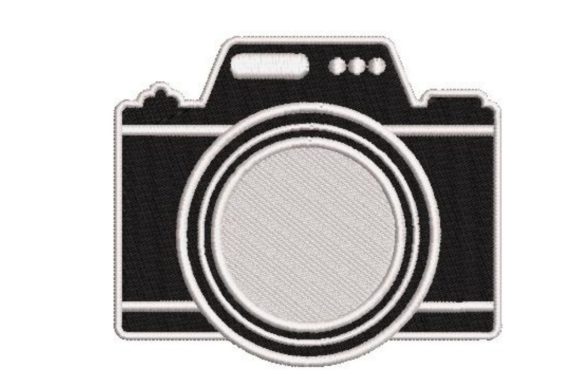
As an experienced embroidery designer who spends weekends prepping booths for craft fairs, I know that the difference between a design that gathers dust and one that sells out in minutes often comes down to visual impact and production practicality. Today, I am reviewing the Black and White Camera design with the specific intent of turning it into a line of handmade products for a weekend market. The product description promises a simple and classic look that appeals to photography lovers, whether they are professionals or hobbyists. My goal is to determine if this machine embroidery design holds up under the bright lights of a booth display and if it translates well from a digital file to a tangible handmade product.
First Impressions: A Timeless Classic
When you first see the title and description for Black and White Camera, the vibe is immediately clean, modern, and slightly nostalgic. It does not feel overly trendy or cluttered; instead, it leans heavily into a minimalist aesthetic that works exceptionally well for boutique makers. The description suggests letting creativity flow to make brilliant decorations, which tells me this design has the versatility to be used as a standalone focal point or as part of a larger collection. For an Etsy seller or a small shop owner, this kind of neutral yet recognizable imagery is gold because it transcends seasonal trends. It feels premium enough to command a higher price point on items like apron embroidery or tea towel embroidery, yet accessible enough for impulse buyers at a craft fair.
The simplicity is its greatest strength. In a crowded marketplace, customers often scan a table from a distance before they even touch the items. A design that is too intricate might get lost, but a Black and White Camera silhouette is bold enough to catch the eye instantly. It signals "photography" without needing any text, making it perfect for international markets where language barriers exist. This makes it an ideal candidate for a tote bag design where the graphic needs to be legible from across the aisle.
Product Potential and Market Fit
I have been mentally mapping out how this embroidery file would perform across various craft fair product categories. The first item that jumps to mind is the canvas tote bag. A camera icon centered on a sturdy cotton tote is a staple for a reason—it appeals directly to the creative demographic. However, the real opportunity lies in pairing this design with other photography-themed gifts. Imagine a set of embroidered patches featuring cameras and film rolls sold together, or perhaps a series of fabric pouches designed specifically for holding memory cards or lenses.
For kitchen-focused vendors, this design shines on tea towel embroidery. The contrast of black thread on white linen creates a sophisticated farmhouse look that fits perfectly in home decor sections. Similarly, for those selling apparel accessories, this would work beautifully as an embroidered patch sewn onto denim jackets or baseball caps. The curved surface of a cap can sometimes distort designs, so the simplicity of the camera shape is crucial here. If executed correctly, it becomes a cool accent piece that photographers would proudly wear.
We also cannot overlook the pillow covers and market bags. A large-scale version of the Black and White Camera on a throw pillow could serve as a statement piece for a living room, while a smaller version on a market bag offers a practical gift option. For digital sellers creating printable mockups to showcase these items online, this design is versatile enough to look great on every background color, increasing the perceived value of the listing.
Visual Appeal and Customer Attention
From a booth display perspective, the Black and White Camera design excels at creating brand consistency. When you have a cohesive look across your small shop product lines, customers perceive your business as more professional. The design acts as a visual anchor. On a table covered with various textiles, a row of aprons featuring this classic motif will draw attention better than scattered, unrelated patterns. It creates a narrative of craftsmanship and artistry that resonates with buyers looking for unique, commercial embroidery goods.
The design also photographs incredibly well for online listings. The high contrast between the black stitches and the fabric ensures that the details are captured clearly in photos, which is essential for Etsy sellers who rely on digital storefronts. Customers need to see the texture and quality of the stitching, and a simple geometric shape like a camera allows them to appreciate the density and precision of the work without visual distraction.
Production Practicalities and Technical Notes
While the concept is sound, the execution is where many digital embroidery file projects succeed or fail. As a designer preparing for production, I must advise checking the stitch density carefully. If the camera lens or shutter details are too dense, the fabric might pucker, especially on thinner materials like t-shirts or light tees. Conversely, if the design is too sparse, it may look unfinished on heavier fabrics like denim or thick canvas.
One critical factor to consider is the hoop size. Before running a full batch, you must confirm that the design fits comfortably within your standard hoops. If the design is intended for a large tote bag, ensure your machine can handle the dimensions without requiring multiple hooping shifts, which can lead to alignment issues. Furthermore, always test the design on scrap fabric first. You need to verify that the thread colors provide enough contrast against the base material. A black camera on a dark navy shirt might disappear, whereas the same design on a white or cream fabric will pop.
Fabric texture plays a massive role in the final look. On a textured towel or a slubby linen, the definition of the camera edges might soften. To combat this, using the right stabilizer is non-negotiable. A cut-away stabilizer is usually best for maintaining the structure of the design on stretchy or heavy fabrics, ensuring the finished product retains its crisp appearance over time. If you are working with curved surfaces like caps, pay close attention to the placement of the design to avoid distortion at the seams.
Commercial Licensing and Final Thoughts
Before putting this design into mass production for sale, it is vital to review the commercial licensing terms associated with the embroidery file. Ensure you have the legal right to sell finished goods made with this pattern. Once cleared, create at least one real mockup to photograph. Do not rely solely on digital renderings; customers want to see the physical reality of the stitches.
In conclusion, the Black and White Camera design is a strong contender for any Vacation-themed or hobbyist-focused booth. Its classic nature ensures it remains relevant, and its simplicity makes it highly reproducible for batch production. Whether you are creating apron embroidery for a food festival or embroidered patches for a tech conference, this design offers a professional finish that elevates your brand. By paying attention to stitch density, stabilizer choice, and fabric selection, you can turn this simple concept into a top-selling item that celebrates the love of photography through the art of needlework.